
Your backyard isn’t just a design project; it’s an investment that has to survive sun, storms, humidity, or freezing temperatures depending on where you live. Choosing materials and systems that aren’t rated for your regional climate often leads to premature wear, costly repairs, and disappointing results within just a few years. Before you start picking out furniture or planning a patio layout, it pays to understand how heat, moisture, wind, and temperature swings will affect every upgrade you make.
This guide walks through the key backyard systems and improvements that need to be matched carefully to your climate’s demands.
Sizing Up Your Regional Climate Challenges
Every region has a dominant climate stressor that shapes how outdoor structures and systems perform over time, and identifying yours is the first step toward smart spending. Coastal areas deal with salt air and humidity that accelerate corrosion, pitting metal fasteners and eating through cheap hardware within a few years. If you live within a few miles of the ocean, look for stainless steel or marine-grade fittings, and expect to repaint or reseal wood surfaces more often than inland homeowners would. Desert climates bring a different set of problems: intense UV exposure and extreme temperature swings between day and night. Plastic furniture, vinyl fencing, and even some composite decking can fade, warp, or grow brittle after just a few seasons under relentless sun. Materials rated for high UV resistance, along with shade structures like pergolas or sail shades, often matter more in these climates than any other single upgrade.
Northern regions face freeze-thaw cycles that crack concrete, heave pavers, and stress plumbing lines buried too close to the surface. Water that seeps into tiny cracks and then freezes can turn a hairline flaw into a major structural failure within a single winter. Homeowners in these zones should budget for proper drainage, frost-depth footings, and insulated or shutoff-ready irrigation lines. Humid southern climates create ideal conditions for mold, mildew, and wood rot, especially in shaded or poorly ventilated areas of the yard. Untreated lumber, enclosed crawl spaces under decks, and dense plantings against siding are common trouble spots. Knowing your region’s specific challenges helps you prioritize which upgrades deserve the biggest portion of your budget, rather than spreading resources thin across concerns that may not even apply to your climate.
- Coastal climates: salt corrosion on metal fixtures and hardware, high humidity that warps wood, strong winds requiring anchored structures
- Desert climates: UV degradation that fades and cracks materials within a few years, extreme heat stressing plastics and sealants, minimal rainfall demanding drought-tolerant plant choices
- Northern climates: freeze-thaw cycles that crack concrete and pavers, snow load testing roof and pergola weight limits, ice damage to gutters, pipes, and fences
- Humid climates: mold growth on untreated surfaces, wood rot in decking and fences, insect pressure from termites and carpenter ants
- Mixed or transitional climates: materials and structures must handle seasonal swings between heat, cold, and moisture, often shortening typical lifespans
Choosing Decking Materials That Hold Up Outdoors
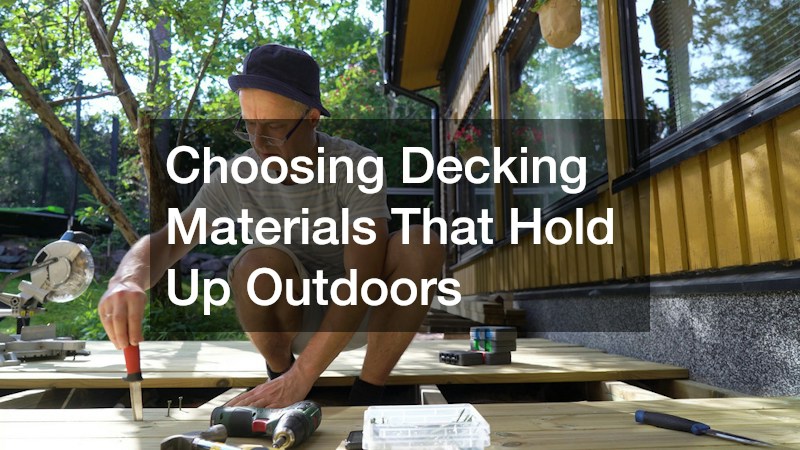
Decks take a constant beating from sun, rain, and temperature shifts, so material choice matters as much as design. Pressure-treated wood is affordable but requires regular sealing in wet or humid climates to prevent warping and rot. Composite decking resists moisture and fading better in harsh sun, making it a popular choice in hot, dry regions. If you’re planning a custom deck build, talk with your contractor about which boards and fasteners are rated for your specific humidity levels and temperature range, since the wrong combination can lead to splitting or buckling within a few seasons.
- Pressure-treated wood needs annual sealing in wet climates
- Composite boards resist fading in high-UV regions
- Stainless steel fasteners prevent rust in coastal air
- Proper spacing allows for seasonal wood expansion
Picking Fencing That Resists Local Wear
Fencing takes on a different set of challenges depending on where you live, from salt spray near the coast to blistering sun in the desert. Wood fences can warp or rot quickly in humid climates unless they’re treated and maintained consistently. For homeowners who want a lower-maintenance option, aluminum fences hold up particularly well in coastal and humid regions because they don’t rust or corrode the way traditional steel can. They also tend to handle temperature swings better than vinyl, which can become brittle in extreme cold or soften in intense heat.
- Aluminum resists rust better than steel in humid or salty air
- Vinyl can crack in freezing temperatures
- Wood requires sealing every one to two years in wet climates
- Powder-coated finishes add extra protection against UV fading
Keeping Your Outdoor Living Space Cool in Hot Climates
If you live somewhere with long, intense summers, shade becomes one of the most important features of any backyard upgrade. Pergolas and awnings help, but outdoor solar shades offer a more flexible solution because they can be adjusted throughout the day to block harsh afternoon sun while still letting in natural light during cooler hours. Many models use mesh fabrics rated to block 85-95% of UV rays, which cuts down on heat gain without turning your patio into a dark cave. These shades also reduce glare on patios and outdoor kitchens, making the space usable for more hours of the day. Motorized versions let you retract or extend them with a remote or smartphone app, so you can respond quickly as the sun shifts position without stepping outside into the heat yourself.
In particularly hot regions, pairing shade structures with reflective decking materials or light-colored stone can further reduce surface temperatures underfoot. Composite decking in lighter tones, or pavers with a high solar reflectance index, can stay noticeably cooler to the touch than dark wood or asphalt-based surfaces during peak afternoon hours. It’s also worth considering orientation when placing these upgrades. Positioning solar shades and seating areas on the west or southwest side of the yard addresses the most intense late-day sun, while strategic landscaping with shade trees can supplement these structures as they mature over the years.
Managing Water Drainage and Runoff in Wet Climates
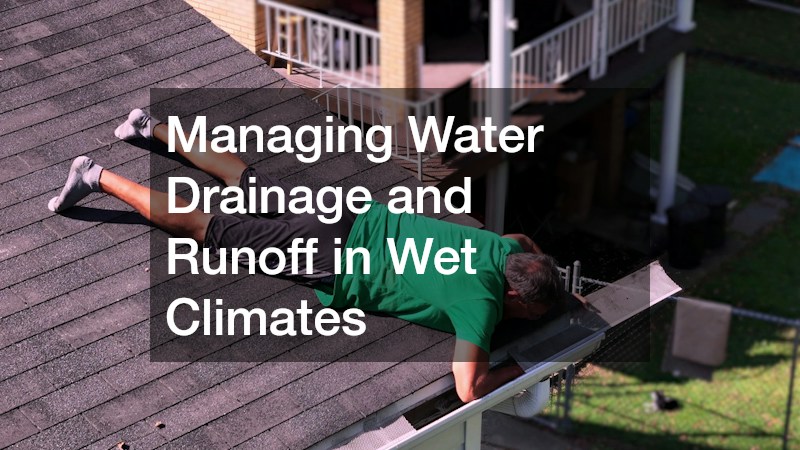
Heavy rainfall regions need backyard upgrades that account for proper drainage, or homeowners risk pooling water, soil erosion, and foundation issues over time. Grading your yard so water flows away from the house is the first step, followed by installing French drains or dry wells in low-lying areas. Permeable pavers are another smart option because they allow water to seep through rather than collecting on the surface, which reduces runoff into storm drains. Gutters and downspouts should also be checked seasonally to make sure they’re directing water well away from patios, decks, and planting beds.
- Grade soil at least two percent away from the foundation
- Install French drains in areas prone to standing water
- Choose permeable pavers for patios and walkways
- Clean gutters twice a year to prevent overflow near structures
Maintaining Home Systems That Support Outdoor Comfort
Backyard upgrades don’t exist in isolation; they often connect back to systems inside your home that need to keep pace with outdoor demands. If you’re adding an outdoor kitchen or hot tub, your home’s water heater works harder to keep up with increased demand, especially if you’re running a hot tub that holds 300 to 500 gallons or an outdoor sink used for cleanup after grilling. Scheduling water heater repair before a major backyard renovation can prevent bigger headaches later, since a unit that’s already on its last legs is more likely to fail once you add that extra strain. It’s also worth considering whether a tankless system or a larger-capacity tank makes more sense if your backyard plans include multiple water features or a pool house with its own shower.
Electrical services are equally important when you’re adding outdoor lighting, irrigation controllers, or power for a built-in grill, since outdated wiring can’t always handle the additional load safely. Many older homes have panels rated for 100 amps, which may not leave enough headroom once you factor in a hot tub, string lighting, and a few outdoor outlets running at once. Ground-fault circuit interrupters are typically required for any outdoor outlet, and running new dedicated circuits is often safer than tapping into existing indoor lines. A licensed professional can evaluate whether your current setup needs upgrades before you finalize your backyard plans, checking everything from panel capacity to the condition of existing water lines. Getting this assessment early also helps you budget more accurately, since discovering a wiring or plumbing issue mid-project tends to cost more in time and money than catching it upfront.
Protecting Your Roof From Seasonal Temperature Extremes
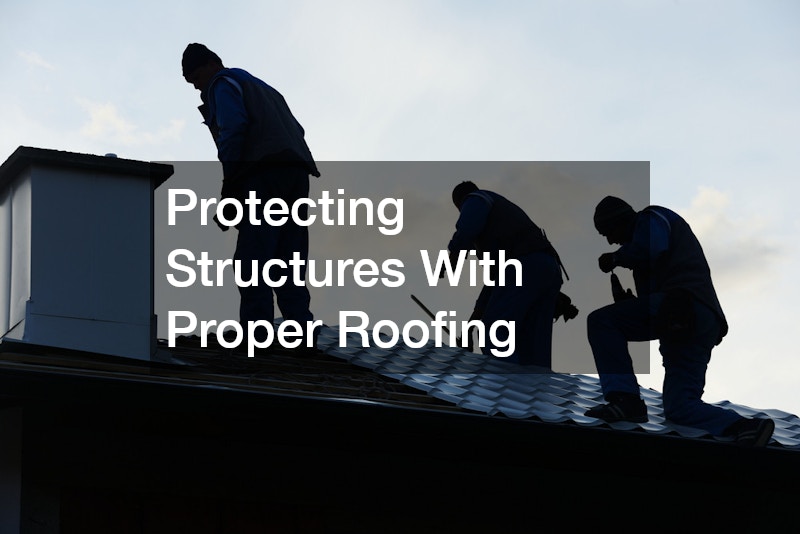
It’s easy to overlook the roof when planning backyard improvements, but it plays a direct role in protecting everything underneath it, including covered patios and attached structures. In regions with heavy snowfall, roofing materials need to handle snow load and ice dams without cracking or leaking. Hot, sunny climates require shingles or materials rated for UV resistance so they don’t degrade prematurely. Many homeowners find it worthwhile to consult roofing companies before adding a covered outdoor structure, since tying a new roofline into an existing one requires careful attention to drainage and ventilation.
- Metal roofing sheds snow more effectively than asphalt shingles
- UV-rated shingles last longer in high-sun climates
- Proper attic ventilation reduces heat buildup in summer
- Ice and water shield membranes prevent leaks in freeze-thaw regions
Keeping Cooling Systems Ready for Peak Summer Demand
As backyards become more livable with shade structures, water features, and outdoor kitchens, homeowners tend to spend more time outside during the hottest months, which puts extra strain on home cooling systems working to keep indoor spaces comfortable. Scheduling AC service before summer begins helps catch small issues before they turn into complete breakdowns during a heatwave. Dirty filters, low refrigerant, and worn components are common culprits behind inefficient cooling, and catching them early keeps energy bills manageable. If a unit is already struggling, prompt AC repairs can prevent a minor fix from turning into a full system replacement.
Scheduling Seasonal Checks for Climate Control Equipment
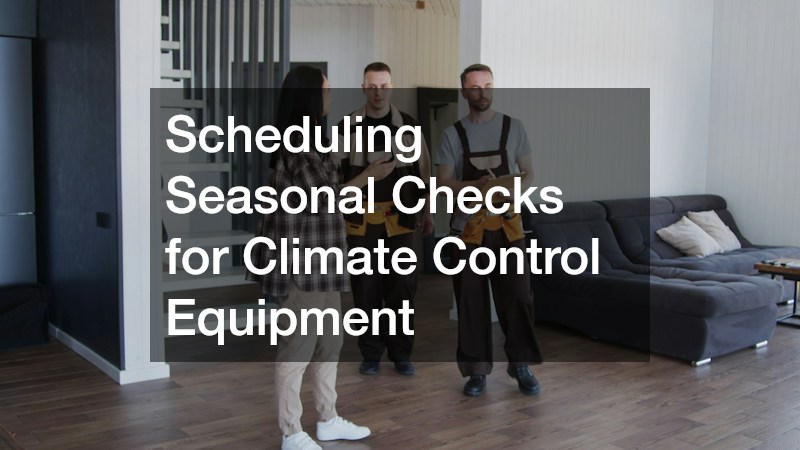
Beyond routine maintenance, it’s worth understanding how climate extremes shorten the lifespan of mechanical systems tied to outdoor comfort. In regions with long, humid summers, air conditioning units run almost continuously for months at a time, which accelerates wear on compressors and coils. Investing in air conditioning repair at the first sign of reduced airflow or strange noises often costs far less than waiting until the unit fails completely. Homeowners in milder climates can usually stretch maintenance intervals slightly longer, but annual inspections are still recommended regardless of region.
- Replace air filters every one to three months during peak season
- Keep outdoor condenser units clear of debris and plant growth
- Schedule professional inspections before extreme weather hits
- Address unusual noises or odors immediately to avoid bigger repairs
Building Driveways and Patios That Handle Temperature Shifts
Hardscaping surfaces like driveways, walkways, and patios all respond differently to climate stress, and choosing the right material upfront saves money down the road. Asphalt can soften in extreme heat and crack in freezing temperatures if it isn’t installed with the right mix for local conditions, which is why consulting experienced asphalt companies before installation matters more than many homeowners realize. Concrete tends to perform well in moderate climates but can develop surface scaling in regions with frequent freeze-thaw cycles unless it’s properly sealed. Choosing the right base material and thickness for your specific climate zone is just as important as the surface material itself.
- Asphalt mixes vary by region to resist softening or cracking
- Concrete needs sealant reapplied every two to three years in cold climates
- Proper base compaction prevents heaving during freeze-thaw cycles
- Sloped grading keeps water from pooling on flat surfaces
Conclusion
Matching your backyard upgrades to your climate’s real demands takes a little more research upfront, but it saves significant time, money, and frustration down the road. Start by identifying which climate stressors affect your region most, then work outward from there, addressing drainage, materials, and connected home systems one at a time. Consulting with local professionals who understand your specific climate conditions will help you make choices built to last rather than ones that need replacing in just a few years.
