
Homeowners insurance feels like a safety net until you actually file a claim and discover how many everyday repairs fall outside its coverage. Wear and tear, aging systems, and routine maintenance issues are almost always excluded, leaving you responsible for the full bill. The good news is that with a little planning and realistic budgeting, these costs don’t have to derail your finances. This guide breaks down the most common uncovered repairs and how to prepare for them financially.
Aging HVAC Systems and Gradual Wear
Most policies exclude damage caused by age, lack of maintenance, or mechanical breakdown, which means your furnace or air conditioner failing after fifteen years of service is considered a homeowner expense, not an insurance claim. This is one of the biggest budgeting blind spots because HVAC systems are expensive to replace and tend to fail without much warning. Setting aside a dedicated fund for HVAC services each year, even a modest amount, can prevent a scramble for financing when a system finally gives out.
Annual tune-ups are the cheapest insurance you can buy against a surprise breakdown, since a technician can often catch small issues before they turn into total system failure. If your unit is more than ten years old, it’s worth budgeting as though a replacement could happen within the next few years rather than assuming it will last indefinitely.
- Set aside $300 to $600 annually for HVAC maintenance and minor repairs
- Get a professional inspection every spring and fall
- Track your system’s age and expected lifespan in a home maintenance log
- Research financing options in advance so you’re not choosing under pressure
Cooling Equipment Breakdowns in Peak Season

Nothing exposes an uncovered repair gap faster than a cooling system failing during a heat wave, and insurance almost never steps in because compressor failure or refrigerant leaks are classified as mechanical wear. Air conditioning repair costs can range widely depending on the part involved, and prices tend to spike during the busiest months when demand for technicians is highest. Building a small seasonal reserve specifically for cooling equipment means you won’t be forced into a rushed, overpriced emergency call.
It also helps to understand what typically breaks so you’re not caught off guard by the estimate. Capacitors, fan motors, and refrigerant lines are common failure points, and each comes with a different price tag.
- Capacitor replacement is usually the least expensive fix
- Refrigerant leaks require locating and sealing the leak before recharging
- Compressor replacement is often the costliest repair short of a full system swap
- Scheduling service before summer can help you avoid peak-season pricing
Roofing Damage From Normal Aging
Insurance typically covers roof damage from a sudden event like a storm or falling tree, but gradual deterioration from age, sun exposure, or poor ventilation is considered a maintenance issue and is excluded. This distinction catches a lot of homeowners off guard, especially since a full roof replacement is one of the largest single expenses a house will ever need. Knowing your roof’s age and material lifespan helps you plan years in advance instead of discovering the need for a new roof only after a leak has already damaged your ceiling.
Asphalt shingles generally last 20 to 25 years, while metal and tile roofs can last considerably longer, but every roof benefits from periodic inspection. Setting aside a percentage of your home’s value annually toward a roofing fund is a practical way to avoid financing a replacement at high interest rates when the time comes.
- Inspect your roof after major storms even if you don’t file a claim
- Budget higher if your roof is nearing the end of its expected lifespan
- Get multiple estimates before committing to a full replacement
- Ask about warranty terms on materials and labor separately
Plumbing Leaks and Drain Blockages
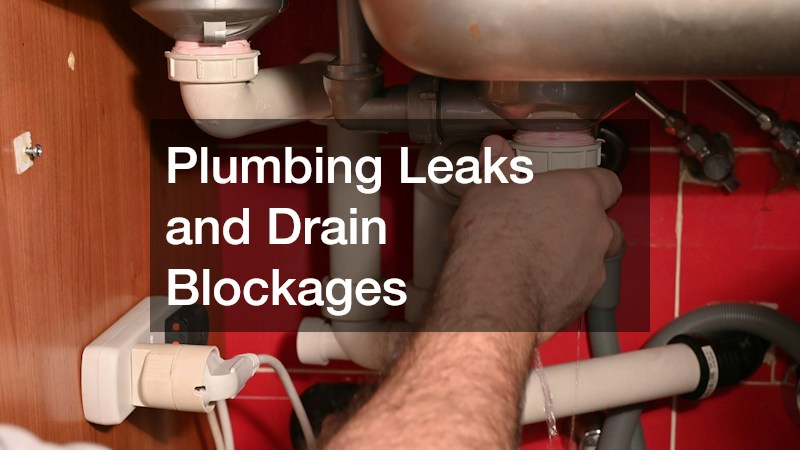
Slow leaks, corroded pipes, and clogged drains are among the most frequently denied claims because insurers consider them the result of neglect or gradual deterioration rather than sudden damage. If an adjuster determines that a pipe failed over months or years rather than in a single sudden event, the claim is typically rejected outright, leaving the homeowner to cover both the repair and any resulting water damage. A backed-up sewer line or a slab leak can cost thousands of dollars to fix — sewer line replacement often runs $3,000 to $7,000 depending on length and accessibility, while slab leaks that require jackhammering through a foundation can push past $4,000 once flooring and drywall repairs are factored in. Unless you’ve purchased a specific endorsement for water backup, you’re likely covering it out of pocket, since standard policies exclude this coverage by default. Set aside a dedicated plumbing reserve of $500 to $1,000 a year if your home is older than 20 years or has cast-iron or clay pipes, which are especially prone to root intrusion and corrosion. Routine drain services can catch buildup before it becomes a full blockage, making them a worthwhile line item in your annual home maintenance budget. Scheduling a camera inspection every few years is another smart precaution, since it can reveal hairline cracks or early root intrusion long before a backup forces an emergency call. Catching these issues early through regular drain services often costs a few hundred dollars, a fraction of what a full sewer line excavation would run.
It’s also smart to know who you’d call before an emergency happens rather than searching in a panic. Researching and vetting the best plumber in your area ahead of time means you can get a fair, honest quote instead of paying inflated emergency rates from an unfamiliar company. Start by asking neighbors or checking local community groups for recommendations, then confirm the plumber is licensed, insured, and has verifiable reviews on sites like Google or the Better Business Bureau. Save at least two or three contacts, since your first choice may not be available at 2 a.m. when a pipe bursts. It also helps to ask about pricing structures before you’re in crisis mode. Many plumbers charge a flat service call fee of $75-$150 just to show up, plus hourly rates that can jump 50-100% for nights, weekends, or holidays. Getting a general sense of these rates in advance lets you spot price gouging immediately rather than being forced to accept whatever number a stranger quotes while water is pooling on your floor.
- Schedule a drain inspection annually (around $150–$300), especially in homes over 20 years old with cast iron or clay pipes
- Keep grease, wipes, and fibrous foods out of your kitchen drain — they’re a leading cause of clogs insurance won’t cover
- Know the location of your main water shutoff valve and test it yearly so it isn’t rusted shut in an emergency
- Set aside $500–$1,000 for common repairs like a burst pipe fitting or a snaked main line, since these rarely qualify as “sudden and accidental”
- Consider a water sensor near washing machines, water heaters, and under sinks to catch slow leaks before they become expensive
- Save a list of vetted local contractors before you need one urgently — get quotes in advance so you’re not stuck paying emergency rates
Exterior Siding and Paint Deterioration
Peeling paint, faded siding, and caulking failures are classic examples of cosmetic and maintenance-related damage that insurance simply won’t touch. Yet neglecting your home’s exterior finish can lead to bigger problems, since compromised paint and caulking allow moisture to seep into siding and framing. Budgeting for periodic repainting protects your home’s structure, not just its curb appeal.
Exterior painting companies typically recommend repainting every 5 to 10 years depending on your climate and siding material, with humid or coastal regions needing more frequent attention. Getting a few quotes and asking about surface prep, not just paint quality, will give you a more accurate sense of long-term cost.
- Inspect caulking around windows and doors every spring
- Budget more frequently for wood siding than for vinyl or fiber cement
- Ask contractors what prep work is included in their quote
- Address peeling or bubbling paint quickly to prevent moisture damage
Interior Flooring Wear and Replacement
Scratched hardwood, cracked tile, and worn carpet are treated by insurers as normal wear rather than sudden loss, which means the cost of replacement almost always falls to the homeowner. This is especially true in high-traffic areas like entryways, kitchens, and bathrooms where flooring takes the most abuse over time. Setting a replacement timeline based on material type helps you plan for the expense instead of being surprised by it.
When the time comes, getting quotes from a couple of tile flooring companies can help you compare not just material costs but installation quality, since poor installation often leads to premature cracking or grout failure. Asking about subfloor inspection as part of the quote is worthwhile, since hidden moisture damage can add unexpected cost to a project.
- Carpet typically needs replacing every 8 to 10 years in busy homes
- Tile and stone floors can last decades with proper installation
- Always ask whether subfloor repair is included in a flooring estimate
- Set aside funds room by room rather than trying to budget the whole house at once
Garage Storage and Organization Upgrades
While not a repair in the traditional sense, garage deterioration and disorganization often become a financial issue that insurance has no role in whatsoever. Damaged shelving, water-damaged cardboard storage, and rusted metal cabinets are a homeowner expense from start to finish. Investing in durable garage cabinets can actually prevent future losses by protecting stored tools, seasonal items, and documents from moisture and pests.
Budgeting for garage upgrades is often overlooked because it doesn’t feel urgent, but a well-organized garage reduces the risk of damaging items you’d otherwise have to replace anyway. Treating this as a small annual home improvement line item, rather than a one-time splurge, makes the cost easier to absorb.
- Choose moisture-resistant materials for garage storage in humid climates
- Elevate stored boxes off concrete floors to prevent water damage
- Label and inventory stored items to avoid duplicate purchases
- Budget for garage upgrades separately from general home repair funds
Yard Boundaries and Outdoor Structures
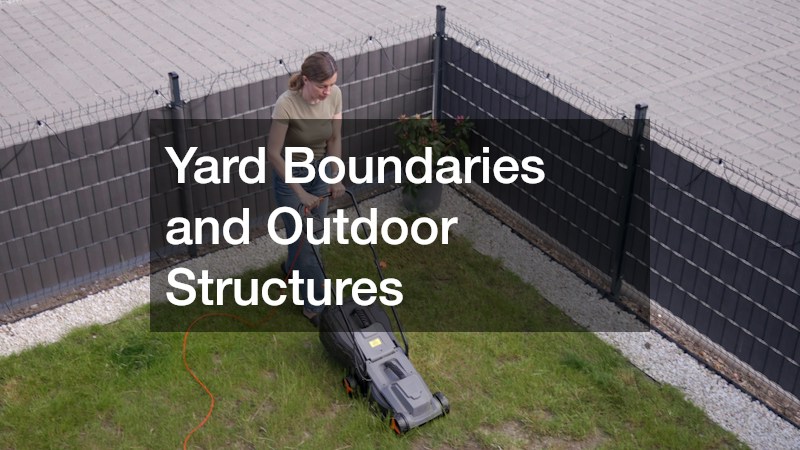
Fences, sheds, and other outdoor structures are typically covered only for specific perils named in your policy, and even then, general deterioration from weather and age is excluded. A leaning fence post or rotting gate is considered maintenance, not damage, so homeowners often have to cover repair or replacement costs entirely on their own. Shopping around for Fencing Supplies before a post fails completely can help you budget proactively rather than reactively.
Material choice has a big impact on long-term cost, since wood requires more frequent maintenance and replacement compared to vinyl or metal options. Setting aside a small annual amount for outdoor structure upkeep prevents a single failed section from becoming an unexpected several-hundred-dollar expense.
- Inspect fence posts annually for rot or leaning
- Compare wood, vinyl, and metal based on your climate and maintenance tolerance
- Budget for gate hardware replacement separately, since it wears faster than panels
- Consider wind exposure when planning fence height and placement
Building a Realistic Annual Home Repair Fund
The most effective way to handle all of these uncovered expenses is to stop treating them as emergencies and start treating them as predictable annual costs. Financial experts often recommend setting aside 1 to 3 percent of your home’s value each year for maintenance and repairs, adjusted based on your home’s age and condition. Keeping this money in a separate, easily accessible savings account prevents it from blending into your everyday spending.
Reviewing your fund every year and adjusting for upcoming known expenses, like an aging roof or an HVAC system nearing the end of its life, keeps your budget realistic rather than reactive. This approach turns unpredictable financial stress into a manageable, ongoing part of homeownership.
- Base your annual savings target on your home’s age and square footage
- Prioritize big-ticket systems like roofing and HVAC in your planning
- Revisit and adjust your fund every year during a household budget review
- Keep repair savings separate from your general emergency fund
Insurance will always leave gaps, but a realistic maintenance budget can close most of them before they become financial emergencies. Start by identifying which systems in your home are aging fastest, then build a savings plan around those specific risks. Getting ahead of these costs, rather than reacting to them, is the most reliable way to protect both your home and your budget for the long term.
