
Every season puts different kinds of stress on a home. Summer heat can strain cooling systems and dry out soil around the foundation. Heavy rain may expose drainage problems that stayed hidden during dry months. Winter freezes can damage pipes, while strong winds often reveal weaknesses in roofing, siding, and garage doors.
Many homeowners only notice these problems once something fails. A leaking pipe, a flooded crawl space, or a broken air conditioner rarely appears without warning. In most cases, the signs were there weeks or even months earlier. The challenge is knowing what to look for before changing weather turns a manageable issue into an expensive emergency.
Seasonal preparation is less about perfection and more about awareness. A few careful inspections each year can help protect your comfort, reduce long-term repair costs, and extend the life of important systems throughout the home. Some tasks are simple enough to handle in an afternoon, while others may require a professional evaluation. Either way, taking a proactive approach can save significant time, stress, and money later.
Checking Water Lines Before Temperatures Shift
Water problems tend to escalate quietly. A tiny drip under a sink may not seem urgent in mild weather, but once temperatures swing dramatically, plumbing systems expand and contract more aggressively. That added stress can turn a slow leak into burst piping or water damage behind walls.
One of the easiest ways to begin is by walking through the house with a flashlight and paying attention to areas people normally ignore. Under kitchen sinks, behind washing machines, around outdoor spigots, and near water heaters are all common trouble spots. Look for:
- Damp cabinet flooring
- Mineral buildup around fittings
- Water stains on drywall
- Rust on exposed connections
- Unusual musty smells
These subtle warning signs often point to future plumbing repairs if left unresolved.
Homes in colder climates need additional preparation before freezing temperatures arrive. Pipes located in garages, crawl spaces, attics, or exterior-facing walls are especially vulnerable. Pipe insulation is inexpensive and can dramatically reduce the risk of freezing during sudden cold snaps.
It is also worth paying attention to water pressure. If faucets begin sputtering or pressure changes unexpectedly, there may already be hidden issues developing inside the system. Seasonal weather changes sometimes expose aging pipes that were already under strain.
Many homeowners wait until they see visible water damage before calling a professional. Unfortunately, by that point, flooring, drywall, or cabinetry may already need replacement. Addressing small issues early usually keeps plumbing repairs simpler and significantly less expensive.
Inspecting the Exterior Before Storms Arrive
The roof protects nearly every other part of the house, yet it often receives attention only after a leak appears indoors. Seasonal weather changes are one of the main reasons roofing problems suddenly worsen.
Strong sunlight, fluctuating temperatures, heavy rain, and wind gradually weaken shingles and flashing. Even a roof that looks fine from a distance may have vulnerable areas beginning to fail.
A safe visual inspection from ground level can reveal a surprising amount. Homeowners should look for shingles that appear curled, dark patches that suggest trapped moisture, or sections that seem uneven. After storms, it is common to find granules collecting near downspouts, which can indicate aging shingles.
Gutters also deserve attention before major weather transitions. Overflowing gutters may seem like a minor nuisance during light rain, but during heavier storms, they can redirect water toward the home instead of away from it. That extra moisture sometimes contributes to siding damage, basement leaks, and even foundation movement.
A simple seasonal exterior routine might include:
- Clearing leaves and debris from gutters
- Trimming tree branches hanging over the roof
- Checking attic spaces for moisture or daylight
- Inspecting flashing around vents and chimneys
- Looking for soft spots near the roof edges
Small roofing issues rarely stay small for long. Delaying roof repair often allows water intrusion to spread into insulation, ceilings, and framing. Addressing damage before extreme weather arrives usually prevents much larger structural problems later.
Preparing Cooling Systems for Heavy Seasonal Demand
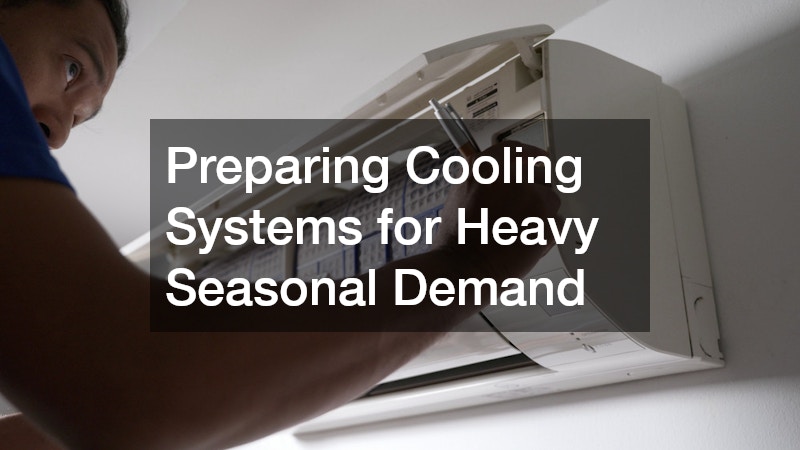
The first extremely hot day of the year tends to reveal every weakness in a cooling system. Air conditioners that seemed functional during mild temperatures suddenly struggle to keep up once outdoor heat intensifies.
In many homes, reduced airflow is the first sign of trouble. Dirty filters restrict circulation, forcing systems to work harder while cooling less effectively. Replacing filters before each major seasonal transition remains one of the simplest ways to improve efficiency and indoor comfort.
Thermostats should also be tested before peak summer temperatures arrive. If indoor temperatures feel inconsistent from room to room, the issue may not always be the equipment itself. Sometimes sensors, duct leaks, or aging components create uneven cooling patterns that become more noticeable during heat waves.
Another commonly overlooked step is cleaning debris around outdoor condenser units. Grass clippings, leaves, and dirt reduce airflow and place additional strain on the system. Leaving at least two feet of clearance around the unit helps improve performance.
Some homeowners wait until the system completely stops working before contacting an HVAC contractor. Unfortunately, emergency service calls during extreme weather are often more expensive and harder to schedule quickly.
Preventative inspections can identify worn electrical connections, refrigerant issues, or failing components before they cause a breakdown. Even relatively new air conditioning systems benefit from seasonal maintenance because small efficiency losses compound over time and increase utility costs.
A homeowner might notice, for example, that their cooling bills climbed steadily over two summers despite no major lifestyle changes. Often, that gradual increase signals maintenance issues developing long before a full system failure occurs.
Watching for Structural Changes Around the Property
Seasonal weather affects more than temperature. It also changes how soil behaves beneath and around a home.
Periods of heavy rain saturate the ground, while prolonged heat dries it out and causes contraction. Over time, those repeated shifts place stress on the structure above. Small cracks may appear harmless initially, but they sometimes indicate broader movement developing underneath the home.
Homeowners should periodically examine both interior and exterior walls for changes. Hairline cracks near doors or windows are common in many houses, but widening gaps, stair-step brick cracks, or uneven flooring deserve closer attention.
Doors and windows can provide additional clues. If a door suddenly sticks during humid months or windows no longer close properly, seasonal expansion may be affecting structural alignment.
Drainage is another critical factor. Water pooling near the foundation after rainstorms creates long-term risk. Downspouts should direct water several feet away from the house whenever possible.
In some cases, homeowners attempt cosmetic fixes without addressing the underlying issue. Repainting cracked drywall may temporarily hide symptoms, but it will not stop structural movement if moisture and soil instability continue.
Professional foundation repair evaluations become especially important when cracks worsen seasonally or when multiple warning signs appear simultaneously. Catching movement early generally leads to more manageable repairs and helps preserve the long-term stability of the home.
Improving Hot Water Reliability Before Demand Increases
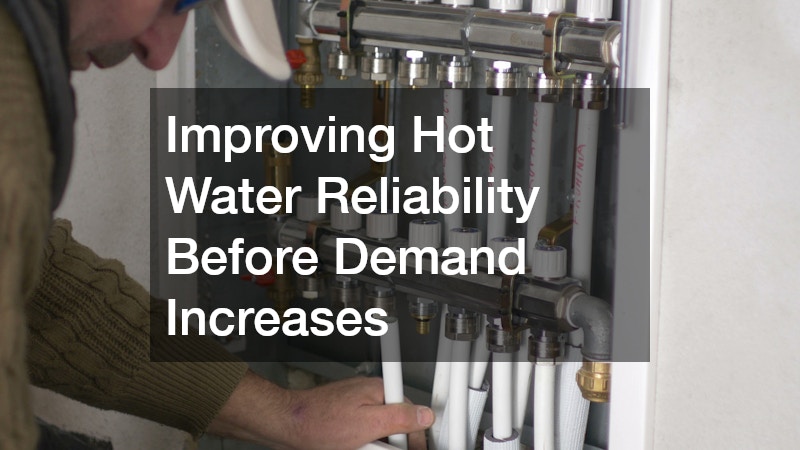
Hot water usage often changes with the seasons. Colder months typically increase demand as showers get longer and water temperatures drop. That added strain can expose weaknesses in aging systems.
One issue many homeowners overlook is sediment accumulation inside water heaters. Minerals gradually settle at the bottom of tanks, reducing efficiency and forcing the system to work harder. Rumbling noises or inconsistent water temperatures often suggest that buildup is already affecting performance.
Flushing the system periodically helps maintain efficiency and extend equipment life. For households with hard water, maintenance becomes even more important because mineral deposits accumulate faster.
Some homeowners eventually consider upgrading to a tankless water heater for better efficiency and space savings. Unlike traditional systems that continuously store heated water, tankless models heat water on demand. This can reduce energy usage while providing more consistent hot water during periods of heavy demand.
Still, no system is completely maintenance-free. Even newer units require periodic inspections, especially before seasonal usage increases.
Water temperature fluctuations should never be ignored. If showers suddenly run cold faster than usual or water takes significantly longer to heat up, internal components may already be wearing down. Addressing these issues before colder weather arrives can prevent uncomfortable surprises later.
Evaluating Garage Entry Systems Before Severe Weather
Garage doors experience constant movement throughout the year, yet many homeowners rarely inspect them unless something stops working.
Seasonal weather changes place additional stress on springs, tracks, seals, and openers. Moisture can contribute to rust, while temperature fluctuations affect metal expansion and contraction. Over time, even minor wear can impact performance.
One useful habit is simply listening during operation. Grinding sounds, uneven movement, or excessive vibration often signal developing mechanical problems. Doors should open smoothly without jerking or hesitation.
Weather seals deserve close attention before storms and colder temperatures arrive. Cracked or flattened seals allow moisture, debris, and outdoor air into the garage. This not only affects energy efficiency but may also expose stored belongings to damage.
Some homeowners notice increasing repair issues over time, but continue patching older systems repeatedly. In those cases, it may eventually make more sense to replace garage door components entirely rather than continue temporary fixes.
A professional garage door repair service can identify balance issues, worn springs, or alignment problems that are difficult for homeowners to spot safely on their own.
There are also situations where homeowners decide it is better to replace garage door systems entirely, especially when insulation, security, or structural integrity has significantly declined. Newer doors often improve both energy efficiency and curb appeal while reducing future maintenance concerns.
Protecting Private Water Sources From Seasonal Changes
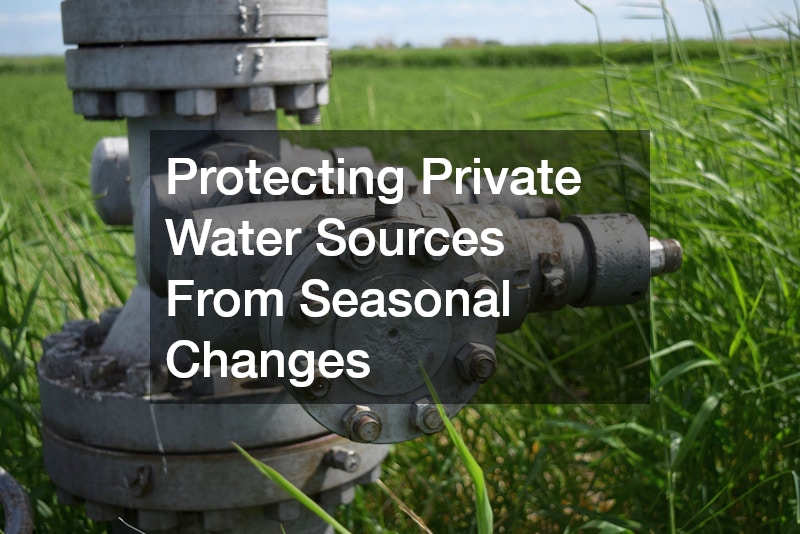
Homes that rely on a private water well face unique seasonal challenges. Heavy rainfall, drought conditions, and freezing temperatures can all affect water quality and system performance.
Testing water quality regularly becomes especially important after major weather events. Excessive rainfall sometimes introduces contaminants through runoff, while prolonged dry periods may concentrate minerals or alter groundwater conditions.
Changes in taste, odor, or water clarity should never be ignored. Even subtle differences may indicate developing problems within the system.
Mechanical components also need periodic inspection. Pressure tanks, pumps, and electrical connections experience wear over time, particularly during periods of high demand or fluctuating temperatures.
Landscaping around the well site matters more than many homeowners realize. Poor drainage can allow surface water to collect near the well opening, increasing contamination risk during storms.
A few preventative measures can help reduce seasonal problems:
- Keep chemicals and fertilizers away from the well area
- Ensure the well cap remains securely sealed
- Clear standing water after heavy rain
- Schedule periodic water testing
- Monitor pressure changes inside the home
Maintaining a water well properly requires both observation and consistency. Small seasonal changes often provide early warning signs before major system failures occur.
Preventing Drain Problems Before They Escalate
Drainage systems tend to receive attention only after water stops flowing properly. By then, the buildup inside pipes may already be severe.
Seasonal transitions frequently worsen drainage issues because heavier rainfall, increased household activity, and outdoor debris all place additional strain on plumbing systems.
Slow drains are usually the earliest warning sign. Water that lingers briefly in sinks or tubs often indicates partial blockages developing deeper in the line. Ignoring these symptoms increases the likelihood of backups later.
Kitchen drains are particularly vulnerable because grease, food particles, and soap residue gradually narrow pipe interiors. Bathroom drains face similar issues from hair and personal care products.
Outdoor drainage also affects indoor plumbing performance more than many people realize. Leaves and debris washed into exterior drains during storms can contribute to backups around the property.
Instead of waiting for a major clog, many homeowners benefit from preventative drain cleaning before seasonal weather intensifies. Routine maintenance helps remove buildup before it creates larger plumbing emergencies.
Household habits matter as well. Small changes can significantly reduce future issues:
- Avoid pouring grease down sinks
- Use drain strainers in showers
- Flush only approved materials
- Clear outdoor debris regularly
- Address slow drainage immediately
Older homes may require more frequent inspections because aging pipes are generally more susceptible to buildup and root intrusion. Preventative care often costs far less than emergency cleanup after a serious blockage or overflow.
Creating a Practical Seasonal Maintenance Routine
One reason homeowners fall behind on maintenance is that problems rarely appear all at once. A clogged gutter in spring, a noisy garage door in summer, and a slow drain in fall may seem unrelated individually. Together, however, they represent the gradual wear every home experiences throughout the year.
Creating a manageable seasonal routine helps prevent small concerns from being forgotten.
Instead of trying to inspect everything at once, many homeowners find it easier to divide tasks by season. Spring may focus on drainage and cooling systems, while fall emphasizes roof inspections and weather sealing.
The goal is not to create a perfect checklist that consumes entire weekends. Rather, it is to establish regular habits that make problems easier to catch early.
Paying attention before the seasons change allows homeowners to stay ahead of problems instead of reacting after damage occurs. Over time, that proactive approach protects not only the house itself but also the comfort and stability it provides every day.
