
If you have ever traveled to Florida, Southern California, or the Mediterranean, you have likely seen bougainvillea in all its glory. These plants are famous for being “color machines.” When they are happy, they produce so many bright pink, purple, and orange papery bracts that you can barely even see the green leaves. They turn fences into waterfalls of color and make every garden feel like a tropical resort.
But for many home gardeners, the reality is a bit different. You buy a beautiful, blooming plant at the nursery, bring it home, plant it in a sunny spot, and then… nothing. For the next two years, the plant grows like a weed. It shoots out long, thorny branches and grows lush, green leaves, but not a single flower appears. It is frustrating to provide a plant with “perfect” care only to have it refuse to show off its colors.
The secret to bougainvillea is that it is a bit of a “rebel.” Most plants bloom when they are pampered, but bougainvillea actually prefers a little bit of neglect. If you are treating your bougainvillea like a delicate rose, you are probably doing it wrong. In this 1,500-word guide, we are going to explore the most common reasons why bougainvilleas stop blooming and the simple “tough love” tips you can use to bring the color back.
1. The “Sunshine” Problem: Not Enough Light
Bougainvilleas are children of the sun. They originally come from South America, where the light is intense and constant. If your plant is in the shade for even a few hours a day, it might decide to go on a “blooming strike.”
- The Six-Hour Rule: To produce those bright bracts, a bougainvillea needs at least six hours of direct, unfiltered sunlight every single day. If it is planted under a large tree or on the north side of a tall house, it will grow plenty of green leaves (to try and catch more light), but it won’t have enough energy to bloom.
- The Fix: If your plant is in a pot, move it to the sunniest spot on your patio. If it is in the ground, you might need to trim back overhanging tree branches to let the light hit the vine.
2. The “Pampering” Problem: Too Much Water
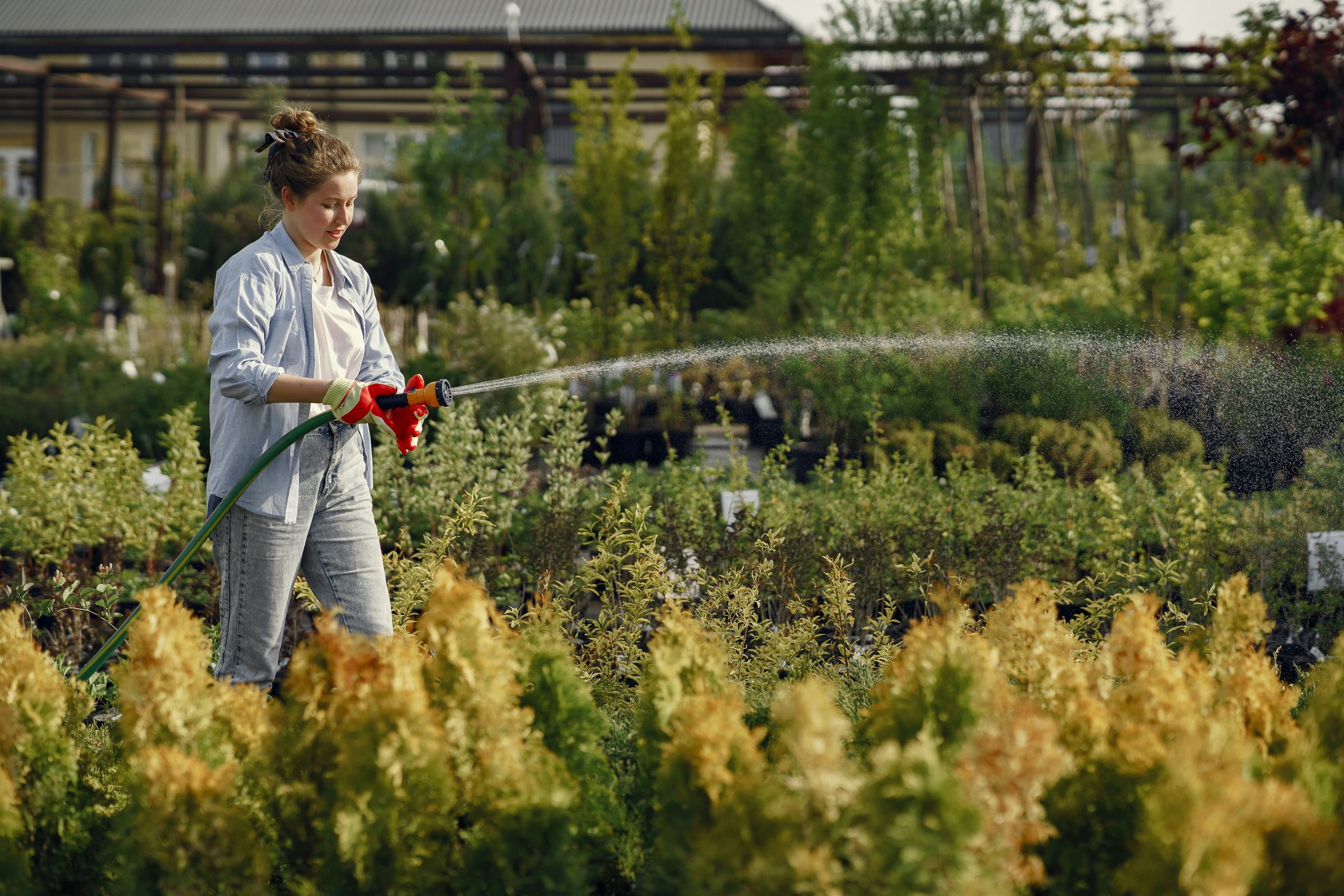
This is the mistake most “good” gardeners make. We think that if a plant looks a bit droopy, it needs a big drink of water. With most flowers, that is true. With bougainvillea, it is the opposite.
- Stress is Best: In nature, bougainvilleas bloom after a dry spell. The dry weather tells the plant, “Hey, it might get tough soon, so I better produce seeds!” The colorful bracts are the plant’s way of attracting pollinators to make those seeds.
- The Sogginess Trap: If the soil is always wet, the plant feels “comfortable.” It will keep growing green leaves and long stems because it doesn’t feel any pressure to reproduce.
- The Fix: Let the soil dry out completely between waterings. Wait until the leaves just start to wilt slightly before you give it a drink. This “drought stress” is often the “magic switch” that turns on the blooming process.
3. The “Fertilizer” Problem: Too Much Nitrogen
When we want a plant to grow, we usually reach for a bag of all-purpose fertilizer. However, the numbers on that bag (N-P-K) matter a lot for bougainvillea.
- Nitrogen (N) makes things green. If you use a high-nitrogen fertilizer (like the kind used for lawns), your bougainvillea will grow massive vines and beautiful dark green leaves, but no flowers.
- Phosphorus (P) and Potassium (K) make things bloom. * The Fix: Look for a “Bloom Booster” fertilizer or something specifically labeled for bougainvillea or hibiscus. These usually have a higher middle number (Phosphorus). Feed your plant in early spring and mid-summer, but don’t overdo it. Once or twice a year is usually plenty.
4. The “Pot” Problem: Too Much Space
Most plants like to have plenty of room for their roots to spread out. Bougainvillea, however, is a bit “claustrophobic.” It actually blooms better when its roots are slightly crowded.
- Root-Bound is Good: If you put a small bougainvillea in a giant pot, it will spend all its energy growing roots to fill that space. It won’t think about blooming until the roots hit the walls of the container.
- The Fix: Keep your bougainvillea in a slightly smaller pot than you think it needs. If you are planting it in the ground, don’t worry about digging a massive hole with soft, loose soil. It prefers to “struggle” a little bit.
5. The “Pruning” Problem: Timing is Everything
Bougainvilleas bloom on “new wood.” This means the flowers grow on the branches that have grown during the current season. If you are pruning your plant at the wrong time, you might be cutting off the flower buds before they even have a chance to open.
- The Heavy Cut: The best time for a major “haircut” is in late winter or very early spring, before the new growth starts.
- Pinching for Color: To get more blooms, you can “pinch” the tips of the new stems once they reach about six inches long. This forces the plant to branch out, and more branches mean more spots for flowers to grow.
- Watch Out for Thorns: As you prune, remember that bougainvillea has very sharp thorns hidden under the leaves. Always wear thick gloves and long sleeves. While you are working in the garden, also consider the safety of your pets. A common question for homeowners is, is bougainvillea poisonous to dogs? While it is only “mildly toxic” and usually just causes a tummy ache, the real danger is those sharp thorns which can cause painful scratches or infections if a dog runs through the bush.
6. The “Temperature” Problem: It’s Too Cold
Bougainvilleas are tropical. They hate the cold. If the temperature drops below 40°F, the plant will stop growing. If it hits freezing (32°F), the plant might lose all its leaves and “die back” to the ground.
- Dormancy: In many parts of the US, bougainvillea goes “dormant” in the winter. It might look like a bundle of dead sticks. This is normal!
- The Wake-Up Call: It takes a while for the plant to wake up in the spring. It needs several weeks of consistent 70°F or 80°F days before it even thinks about blooming. Be patient—don’t give up on the plant just because it isn’t colorful in April.
7. The “Soil” Problem: Poor Drainage
Bougainvilleas have very sensitive roots. They don’t like “wet feet.” If your soil is heavy clay that holds onto water like a sponge, the roots will start to rot. A sick plant will never bloom.
- The Drainage Test: Dig a hole and fill it with water. If the water is still sitting there an hour later, your drainage is poor.
- The Fix: If planting in the ground, mix in some sand or fine gravel to help the water move away from the roots. If using a pot, make sure there are plenty of large drainage holes at the bottom. Never let a bougainvillea pot sit in a saucer of standing water.
8. The “Bract” Secret: Why the Color Fades
Sometimes, people think their bougainvillea isn’t blooming when it actually is! Remember that the “color” comes from the papery bracts, not the actual flowers.
- The Tiny White Flower: The real flowers are the tiny, cream-colored centers. Once those tiny flowers are pollinated, the colorful bracts will eventually turn brown and fall off.
- Cycle of Color: Bougainvillea usually blooms in “cycles.” It will have a massive explosion of color for 4 to 6 weeks, then it will take a break for a few weeks to grow more stems, and then it will bloom again. If your plant is currently all green, it might just be in its “rest phase.”
9. Pest Problems: Aphids and Loopers
While bougainvillea is a very tough plant, there are a few bugs that love to eat the tender new growth where the flowers form.
- Aphids: These tiny green or black bugs suck the sap out of the new tips. This “stunts” the growth and prevents flowers from forming.
- Bougainvillea Loopers: These are small green caterpillars that look like “inchworms.” They come out at night and eat the edges of the leaves and the young bracts.
- The Fix: A blast of water from a garden hose can often knock off aphids. For caterpillars, you can use an organic spray like “Bt” or simply pick them off by hand if you have a small plant.
10. The “New Plant” Syndrome
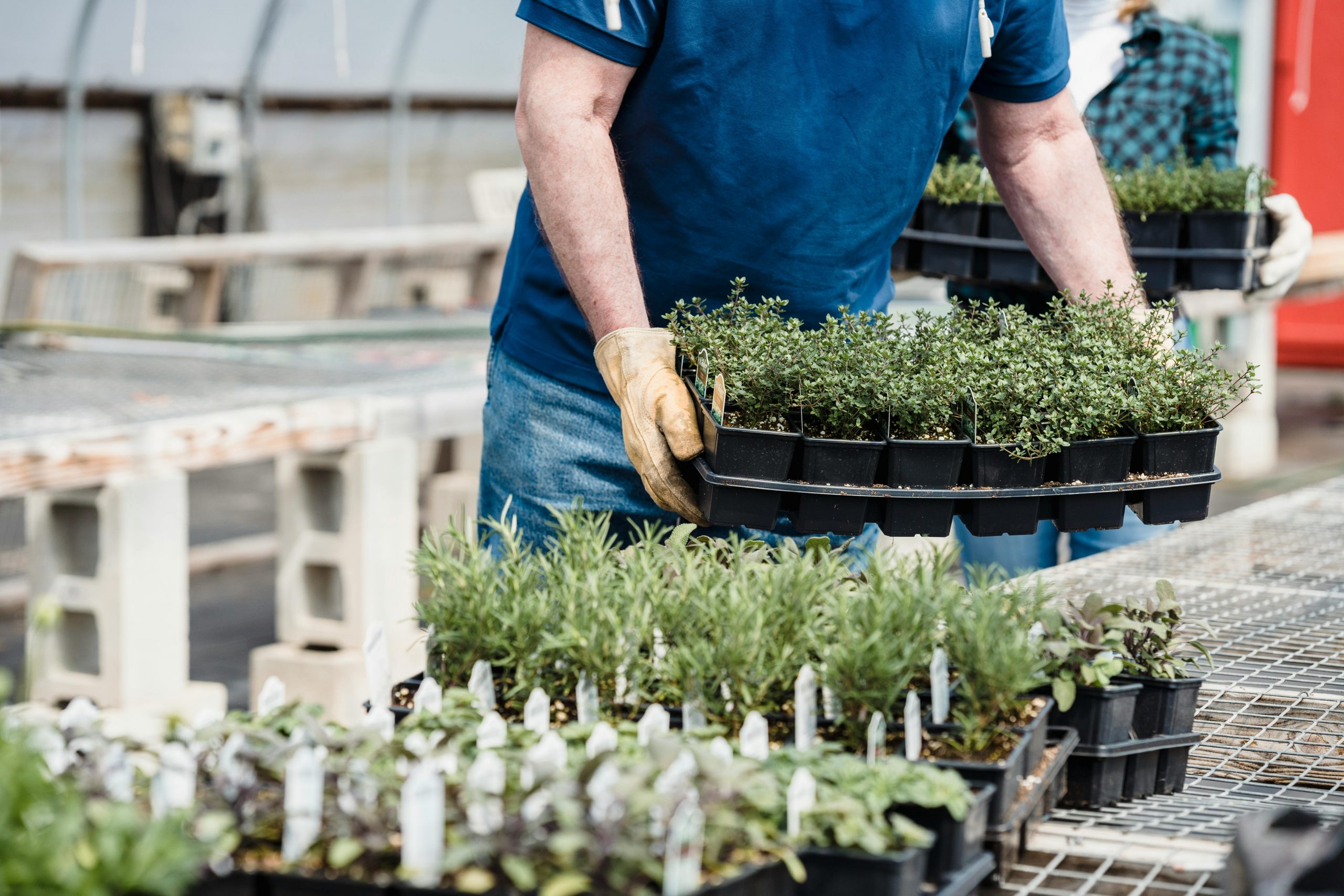
If you just bought your bougainvillea and planted it, give it some time. It is common for a plant to go into “transplant shock.” It is moving from a perfect greenhouse to your backyard. It needs a few months to get its roots settled before it feels safe enough to start producing a big show of color.
Conclusion
Getting a bougainvillea to bloom is all about learning to “think like a tropical vine.” It wants hot sun, very little water, and just enough food to keep it going. If you stop “over-mothering” your plant and start giving it some “tough love,” you will be amazed at how quickly it rewards you with a wall of color.
Remember the checklist:
- More Sun (6+ hours).
- Less Water (let it wilt slightly).
- Less Nitrogen (use bloom booster).
- Tighter Roots (don’t over-pot).
By following these simple steps, you can turn your “green monster” back into the tropical paradise you’ve always wanted. Happy gardening, and enjoy the beautiful view!
