
- Yellow pillows usually mean buildup, not just age — sweat, body oils, dead skin cells, drool, makeup, and humidity are the main causes.
- Sweat and body oils are the biggest contributors, because salts and proteins in sweat oxidize and turn yellow over time.
- Yellow pillows can be a hygiene issue, not just a cosmetic one — dust mites, mold, and bacteria thrive in dirty or damp pillows and can worsen allergies or asthma.
- Skin problems can be linked to pillow buildup, including clogged pores, acne, redness, and irritation from oils and bacteria transferring back to your face.
- Replace pillows regularly, even with good care: polyester (1–2 years), down/feather (2–3 years), memory foam/latex (2–3 years). Replace sooner if they smell musty or feel lumpy.
- Prevention is the most effective strategy — use pillow protectors, wash pillowcases weekly, wash pillows every few months, and keep bedroom humidity between 30–50%.
- Machine washing helps, but only for the right pillows — polyester, down/feather, and some cotton pillows are machine washable; memory foam and latex should never be washed in the machine.
If you’ve ever pulled back your pillowcase and noticed a yellow stain, you’re not alone. Yellowing pillows are one of those home maintenance issues that most people assume is just a normal part of aging. But the truth is, yellow pillows are often a sign of a bigger problem: buildup from sweat, oils, and environmental factors that can affect your health and your sleep quality.
For homeowners who care about creating a healthy home environment, understanding why pillows turn yellow is more than just cosmetic. It’s about hygiene, air quality, and preventing allergies or skin issues that can come from the place you rest your head every night.
In this article, we’ll break down the causes, the health risks, and the best prevention tips to keep your pillows clean, fresh, and safe.
What Makes Pillows Turn Yellow?
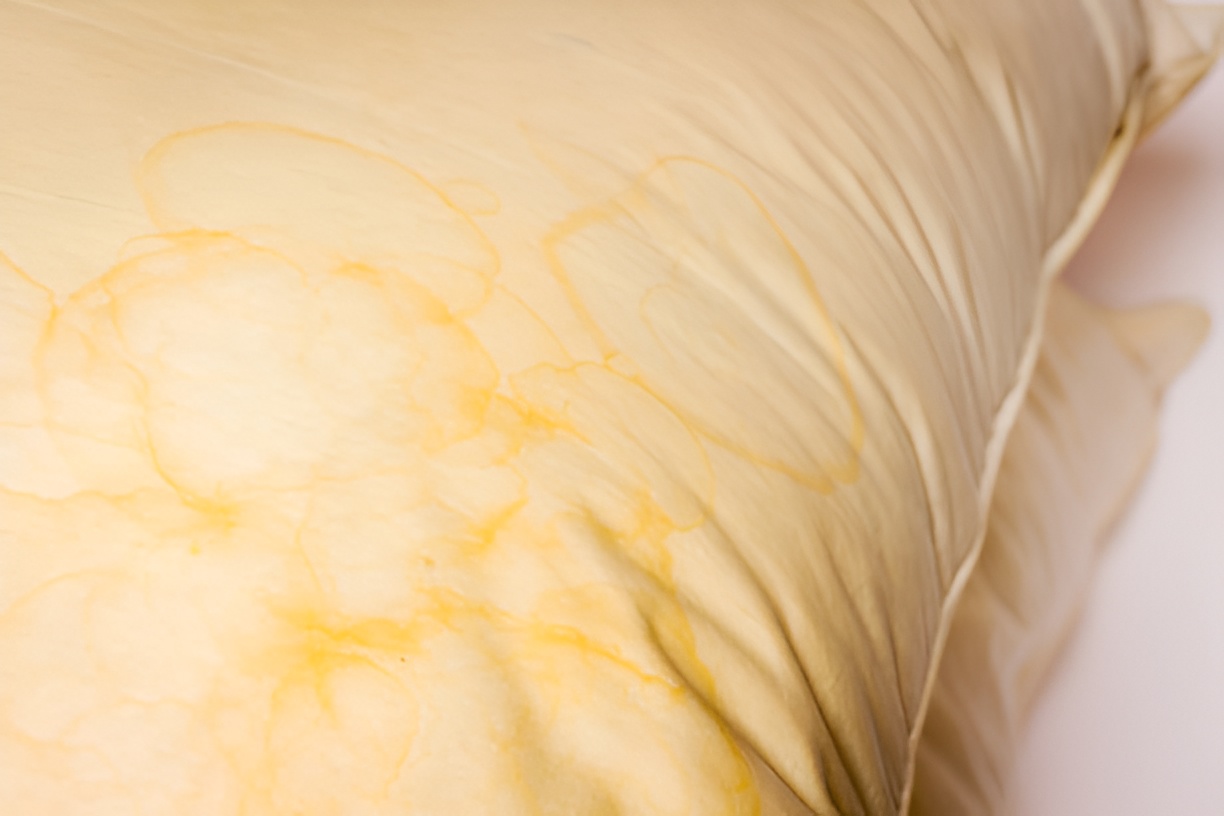
Yellowing can happen to any pillow, whether it’s down, memory foam, polyester, or latex. The main reasons are usually a combination of sweat, body oils, and general wear. But there are a few specific causes that are especially common.
Sweat and Body Oils: The Biggest Culprit
Even if you don’t sweat a lot, your pillow is still absorbing tiny amounts of sweat every night. Over time, sweat builds up and causes a yellow or brown stain.
Here’s why:
- Sweat contains salts and proteins that stick to fabric.
- Over time, those salts oxidize and turn yellow.
- Body oils can also seep into the pillow and cause discoloration.
This process is even more noticeable in hot or humid climates, or if you tend to sleep warm.
Dead Skin Cells: A Hidden Source of Stains
We shed skin constantly, and a surprising amount of it ends up in your bedding. When dead skin cells mix with sweat and oils, they create the perfect stain formula.
Key facts:
- The average person sheds about 30,000–40,000 skin cells every hour.
- Most of these cells fall onto your pillow and sheets.
- These cells can feed dust mites, which contribute to allergies.
Drool and Saliva: A Common but Overlooked Cause
Drooling is more common than people think. If you sleep with your mouth open or snore, saliva can soak into your pillowcase and seep into the pillow itself.
Saliva contains enzymes and proteins that can stain fabric over time. While it may not look dramatic at first, over months and years it can create a noticeable yellow stain.
Hair Products and Makeup: The “Silent Stainers”
Even if you wash your face before bed, some residue can remain. Hair products like conditioner, oils, and styling gels can transfer to your pillowcase, especially if you sleep with your hair down.
Makeup is another major cause:
- Foundation and concealer can leave oily stains.
- Mascara and eyeliner can also transfer onto fabric.
- Makeup removal residue can soak into pillow fibers and cause discoloration.
Humidity and Moisture: The Perfect Environment for Stains
If your bedroom is humid or if you don’t dry your pillows properly after washing, moisture can get trapped inside. That moisture can lead to mildew, which appears as yellow or brown spots.
Signs of moisture-related yellowing:
- A musty smell in the pillow or pillowcase
- Yellow spots that look patchy or uneven
- A damp feeling when you press the pillow
Oxidation and Aging: Why Old Pillows Yellow Faster
Even if you don’t have obvious sweat or oil stains, pillows can still yellow over time due to oxidation. This is especially common in certain materials like cotton and down.
Oxidation happens when the fabric fibers break down and react with air. It’s a natural process, but it’s accelerated by heat, humidity, and body oils.
Are Yellow Pillows a Health Risk?
Not every yellow pillow is dangerous, but many are a sign that your pillow has become a breeding ground for microbes, allergens, and irritants.
Dust Mites: The Invisible Allergy Trigger
Dust mites thrive on dead skin cells, and your pillow is a perfect source. When dust mites build up, their droppings can cause allergy symptoms.
Common symptoms include:
- Sneezing
- Runny nose
- Itchy eyes
- Coughing
- Worsening asthma symptoms
Even if you don’t have allergies, dust mites can still contribute to poor indoor air quality.
Mold and Mildew: A Serious Concern
If your pillow is damp or your bedroom is humid, mold can grow inside the pillow. Mold can cause respiratory issues, especially in people with asthma or sensitive lungs.
Mold can also spread to other bedding and even your mattress if left untreated.
Acne and Skin Irritation: Why Your Skin Might Be Breaking Out
Your pillow is one of the first surfaces your face touches each night. If your pillow is coated in oils, sweat, or bacteria, it can transfer back to your skin.
This can cause:
- Clogged pores
- Increased acne breakouts
- Redness and irritation
- Dry or itchy skin
Why It Matters for Homeowners
If you’re investing in a healthy home environment, pillows are one of the most overlooked areas. They may not look dirty, but they can contain a high concentration of allergens and bacteria.
Keeping pillows clean is part of maintaining:
- Better indoor air quality
- A healthier sleep environment
- Lower allergy risk
- Fewer skin issues
How Often Should You Replace Your Pillow?
Even with good care, pillows don’t last forever. Over time, they lose shape, support, and become harder to clean.
Here’s a general guide:
Replace Your Pillow Every:
- Polyester pillows: 1–2 years
- Down or feather pillows: 2–3 years
- Memory foam or latex: 2–3 years (sometimes longer if cared for properly)
If your pillow:
- smells musty
- feels lumpy or flat
- causes neck pain
- shows visible yellow stains
…then it’s time to replace it.
Prevention Tips: How to Stop Pillows From Turning Yellow
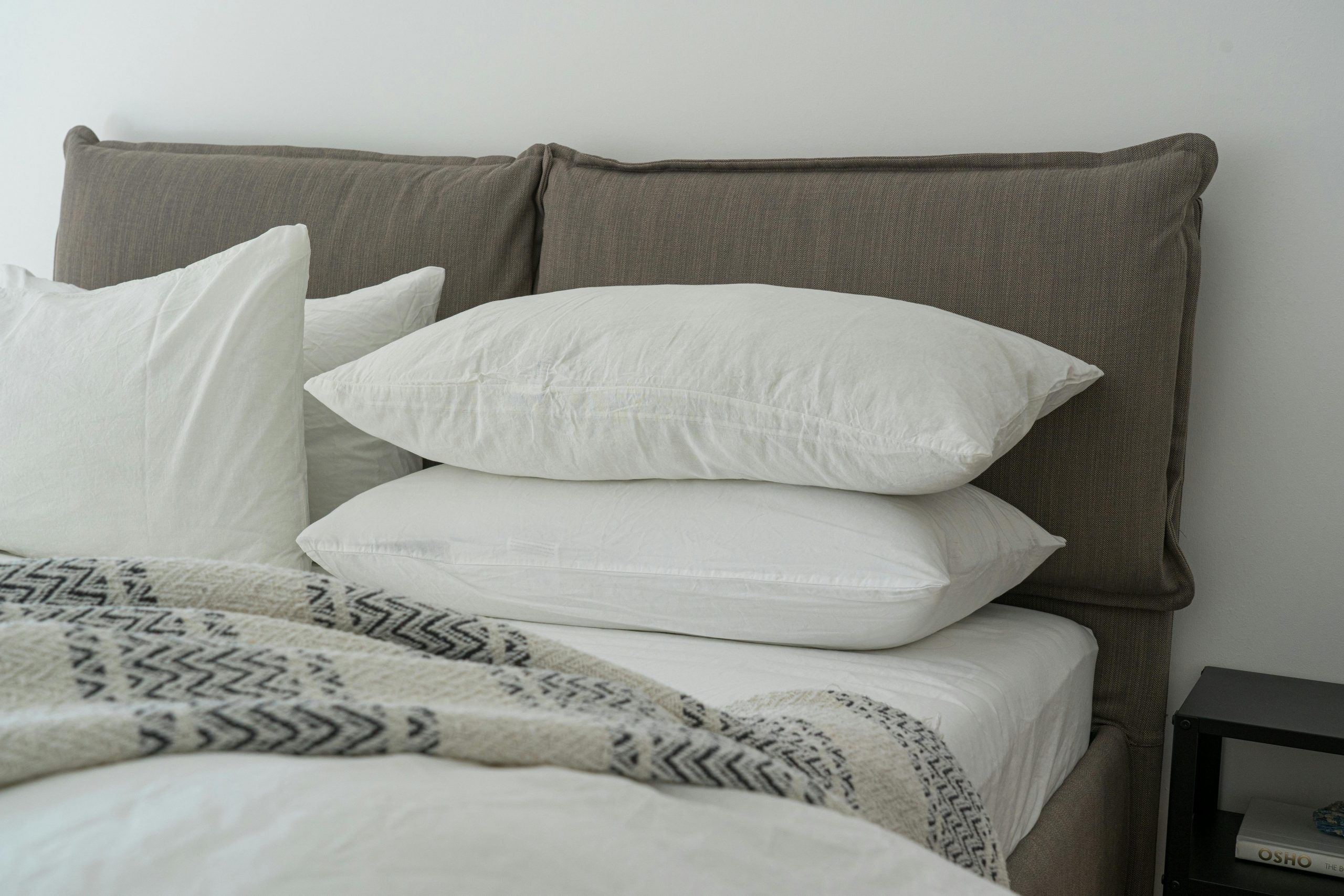
The best way to keep pillows clean is to prevent buildup in the first place. Here are practical, homeowner-friendly tips that really work.
Use Pillow Protectors
A pillow protector is the first line of defense. It blocks sweat, oils, and stains from reaching the pillow.
Benefits:
- Keeps pillows cleaner for longer
- Reduces dust mite buildup
- Easy to wash
- Extends pillow life
Look for protectors that are:
- Waterproof
- Breathable
- Hypoallergenic
Wash Pillowcases Weekly
Washing pillowcases once a week removes:
- sweat
- oils
- dead skin cells
- makeup residue
This simple habit alone can drastically reduce yellowing and improve sleep hygiene.
Wash Your Pillows Regularly
Different pillows require different care, but washing them every few months helps prevent buildup.
Recommended washing schedule:
- Polyester: every 3 months
- Down/feather: every 6 months
- Memory foam: spot clean or follow manufacturer instructions
Dry Pillows Completely
If pillows stay damp after washing, they can develop mildew. Make sure pillows are fully dry before using them again.
Best drying tips:
- Use a high-heat cycle if the pillow allows it
- Add dryer balls or clean tennis balls to fluff the pillow
- Air dry outside when possible
Keep Bedroom Humidity Low
Humidity encourages mildew and dust mites. Use a dehumidifier if your bedroom feels damp.
Aim for:
- 30–50% humidity
Wash Bedding Before Bed
If you sweat a lot at night, consider changing your sheets more often. Fresh bedding reduces the amount of sweat and oils that reach your pillow.
Don’t Sleep With Makeup On
Makeup can stain pillowcases and seep into pillows. Washing your face before bed is one of the best prevention steps.
Choose the Right Pillow Material
Some materials are more resistant to stains and allergens:
Best options for hygiene:
- Memory foam
- Latex
- Hypoallergenic synthetic fills
Materials that yellow faster:
- Down/feather
- Cotton-filled pillows
Consider Using a Cooling Pillow
If you sleep hot, a cooling pillow can reduce sweat buildup, which reduces yellowing over time.
How to Clean Yellow Pillows (When It’s Too Late)
If your pillow is already yellow, you can often restore it with a deep clean. Here are the most effective methods:
Cleaning Method 1: Baking Soda and Vinegar
- Sprinkle baking soda on the pillow
- Let sit for 30 minutes
- Spray lightly with a vinegar solution
- Wash according to care label
Cleaning Method 2: Hydrogen Peroxide and Dish Soap
Mix:
- 1 part hydrogen peroxide
- 1 part dish soap
- Apply to stain
- Let sit for 30 minutes
- Wash
Cleaning Method 3: Sun Drying
Sunlight can naturally bleach stains and kill bacteria.
- Lay the pillow outside in direct sun
- Flip periodically
- Ensure it dries completely
Can You Wash Yellow Pillows in the Washing Machine?
Yes — you can wash yellow pillows in the washing machine, but only if the pillow type is compatible with machine washing. Many people assume all pillows can go in the washer, but that’s not true. Some pillow materials, especially memory foam and latex, can be damaged by water or agitation. The key is to know your pillow’s fill and follow the care instructions.
Before you try to wash a pillow, check the tag. If the label says “dry clean only” or “spot clean only,” don’t risk it. Washing the wrong pillow can cause clumping, tearing, or even mold growth if the pillow doesn’t dry properly.
Which Pillows Can Be Machine Washed?
Safe to Wash
These pillow types are generally safe for the washing machine:
- Polyester pillows
- Down or feather pillows (as long as the care label allows it)
- Cotton-filled pillows (check the label)
These materials are durable enough to handle a gentle wash cycle and can benefit from deep cleaning to remove sweat, oils, and dead skin buildup.
Do Not Machine Wash
These pillows should never go into the washing machine:
- Memory foam
- Latex
- Gel pillows
- Buckwheat or other specialty pillows
- Any pillow labeled “spot clean only”
These materials can break down when exposed to water or agitation, and they often take too long to dry — which can lead to mildew inside the pillow.
How to Wash Yellow Pillows in the Machine (Step-by-Step)
If your pillow is machine washable, here’s the best method to clean yellow stains and keep your pillow in good condition.
Step 1: Check the Label
This may sound obvious, but it’s the most important step. The care label tells you:
- If it can be washed
- What water temperature to use
- Whether it can be tumble dried
- If it needs air drying instead
Step 2: Pretreat Stains
If the yellowing is visible, pretreat the area first. Use one of these options:
Option A: Baking Soda Paste
- Mix baking soda with water to make a paste
- Apply to yellow spots
- Let sit for 30 minutes
Option B: Hydrogen Peroxide + Dish Soap
- Mix 1 part hydrogen peroxide with 1 part dish soap
- Apply to stains
- Let sit for 30 minutes
These methods help break down oils and sweat residue before washing.
Step 3: Use a Gentle Detergent
Choose a mild detergent and avoid bleach unless the care label specifically allows it. Bleach can damage pillow fibers over time and weaken the fill.
Step 4: Set the Washer
Use these settings for the best results:
- Cycle: Gentle or delicate
- Water temperature: Warm (not hot)
- Spin speed: Low to medium
- Rinse: Add an extra rinse cycle if possible
The goal is to clean the pillow without damaging it or causing the fill to clump.
Step 5: Balance the Load
If you’re washing one pillow, add two to keep the washer balanced. An unbalanced load can strain the machine and cause uneven washing or spinning.
Step 6: Dry Completely
This is where many people go wrong. If a pillow isn’t fully dry, moisture stays trapped inside and can lead to mildew — the very problem you were trying to avoid.
Here’s how to dry properly:
Tumble Dry (If Allowed)
- Use low heat
- Add dryer balls or clean tennis balls to fluff the pillow
- Check for dryness every 20–30 minutes
Air Dry
If the label recommends air drying:
- Lay the pillow flat in direct sunlight if possible
- Flip it regularly
- Make sure it feels completely dry inside
A good test is to squeeze the pillow. If it feels damp or heavy, it needs more drying time.
What If the Pillow Still Looks Yellow?
Sometimes washing removes surface stains, but deep-set yellowing stays behind. If the yellow stain remains, here are your options:
Option 1: Repeat the Wash
Try washing again with a stronger pretreatment:
- Soak the pillow in warm water with a cup of baking soda
- Let it sit for an hour
- Then run it through a gentle wash cycle
Option 2: Use a Whitening Booster
If the care label allows, you can use a whitening booster like oxygen bleach (not chlorine bleach). This is safer for fabrics and won’t weaken fibers as quickly.
Option 3: Replace the Pillow
If the pillow remains yellow or smells musty even after washing, it’s a sign the stains have deeply penetrated the fill. At that point, replacement is the best option.
The Bottom Line: Why Do Pillows Turn Yellow?
Yellow pillows are usually caused by sweat, body oils, dead skin cells, drool, makeup, humidity, aging, and oxidation.
While it may seem like a small issue, yellowing can indicate buildup of bacteria, dust mites, and mold, which can impact your health and sleep quality.
The good news is that prevention is simple. With a few easy habits—like using pillow protectors, washing pillowcases weekly, and washing pillows regularly—you can keep your pillows fresh and safe for years.
