
If you live in a warm climate, you have probably seen the stunning, bright bursts of color that come from a bougainvillea plant. These climbing vines are famous for their vivid pinks, purples, and oranges. They can transform a boring wooden fence into a tropical paradise or make a front porch look like a scene from a vacation magazine. Homeowners love them because they are tough, they handle the heat well, and they grow very fast.
However, if you are a dog owner, your first thought when looking at a new plant isn’t “How pretty is it?” Instead, it is “Is this safe for my best friend?” Dogs are naturally curious. They explore the world with their noses and their mouths. Whether it’s a puppy teething on a branch or an older dog munching on fallen leaves, what you plant in your yard matters to their health.
In this guide, we are going to look closely at the bougainvillea. We will answer the big question about toxicity, discuss the hidden dangers of the plant’s thorns, and provide tips on how to design a garden that is both beautiful and safe for your furry family members. By the end of this article, you will know exactly how to manage this popular plant in a pet-friendly home.
1. The Short Answer: Is it Toxic?
The good news for pet parents is that bougainvillea is classified as “mildly toxic” to dogs. According to major animal safety groups like the ASPCA, bougainvillea is not on the list of “deadly” plants (unlike lilies for cats or sago palms for dogs). If your dog eats a few leaves or a flower, they are very unlikely to face a life-threatening emergency. However, “not deadly” does not mean “perfectly safe.”
Think of it like a human eating something that is way too spicy or something they are slightly allergic to. It won’t kill them, but it is going to make their afternoon very unpleasant. The plant contains certain sap and chemicals that can irritate a dog’s digestive system.
2. Identifying the Plant: Bracts vs. Flowers
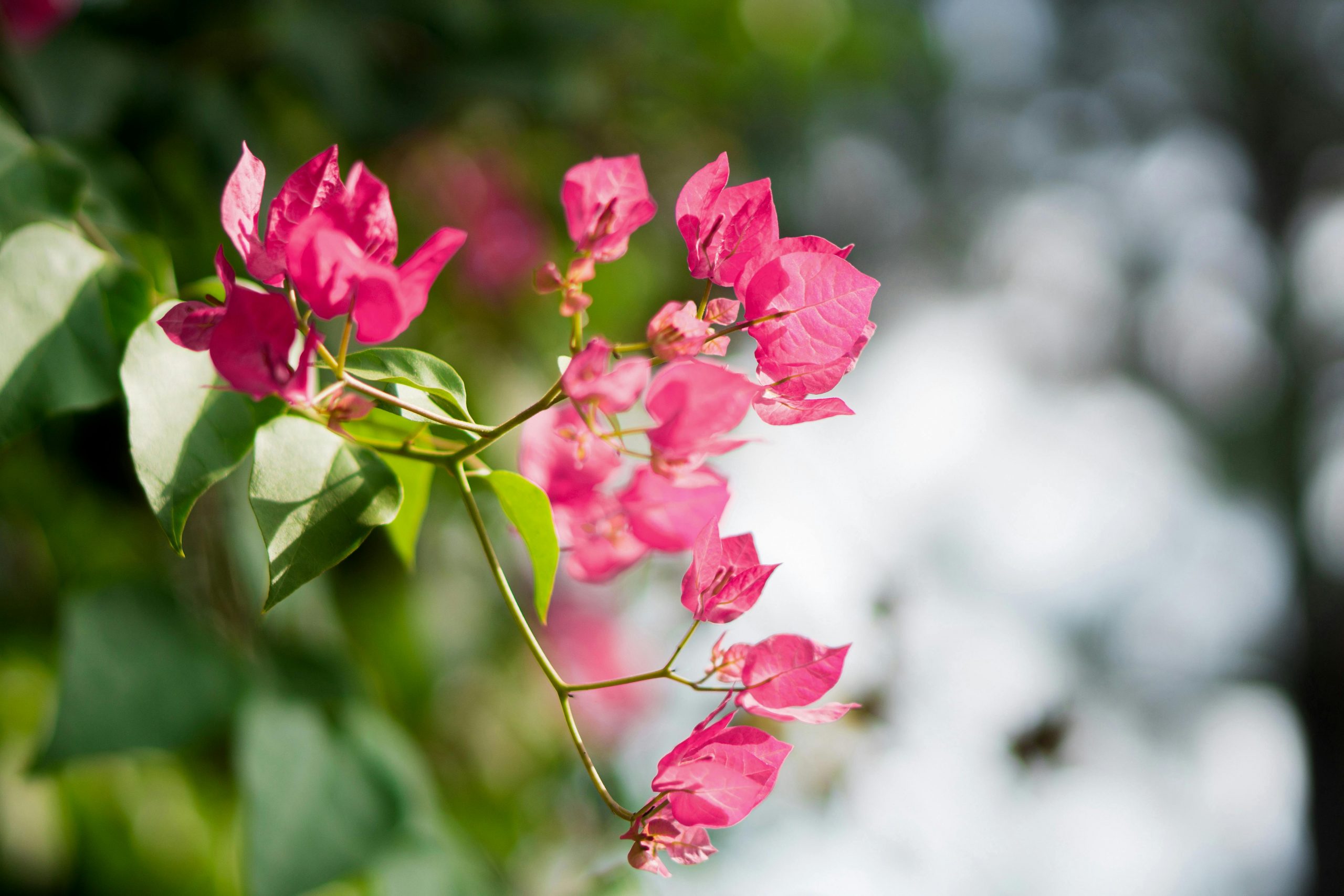
To understand the risks, it helps to know what you are actually looking at. Most people think the big, bright pink parts of the bougainvillea are the flowers. They are actually called bracts.
The real flowers are the tiny, white, trumpet-shaped centers inside the colorful bracts. While the entire plant contains some level of irritants, the leaves and the stems are the parts dogs are most likely to chew on. The bracts are thin and papery, often falling to the ground in large numbers, which can tempt a curious dog to take a “taste test.”
3. Symptoms of Ingestion: What to Watch For
If your dog decides to snack on your bougainvillea, they might not show any signs at all. However, if they eat a significant amount, you might notice these common symptoms:
- Stomach Upset: This is the most common reaction. Your dog might experience nausea, vomiting, or diarrhea.
- Loss of Appetite: Because their stomach feels “off,” they might skip their next meal.
- Drooling: Irritation in the mouth or throat can cause a dog to drool more than usual.
- Lethargy: If their stomach is hurting, your dog might seem tired or less interested in playing.
Usually, these symptoms pass on their own within 24 hours. However, if the vomiting is frequent or if you see blood in their stool, you should call your veterinarian immediately to make sure your dog doesn’t get dehydrated.
4. The Hidden Danger: The Thorns
While the “poison” in bougainvillea is mild, the physical structure of the plant is much more dangerous. Bougainvillea is a defensive plant. To help it climb and protect itself, it grows long, sharp thorns along its woody stems.
- Puncture Wounds: If a dog runs through a bougainvillea bush while chasing a ball, those thorns can easily pierce their skin. This can lead to painful scratches or deep puncture wounds.
- Infections: Thorns often carry bacteria. A small prick can quickly turn into an “abscess” (a painful, swollen pocket of infection) that requires antibiotics from a vet.
- Eye Injuries: Because dogs lead with their heads, their eyes are very vulnerable to the sharp spikes hidden among the leaves.
5. Potential for Allergic Reactions
Just like humans, some dogs are more sensitive than others. A “mildly toxic” plant for one dog might cause a more serious “allergic dermatitis” (skin rash) for another.
If your dog’s skin comes into contact with the sap from a broken bougainvillea branch, they might develop red, itchy skin or small bumps. If you notice your dog scratching a specific area after being in the garden, check for a rash. Washing the area with mild, pet-safe soap and cool water can help remove the irritating sap.
6. Designing a Pet-Safe Garden with Bougainvillea
You don’t necessarily have to rip out your beautiful vines just because you have a dog. You just need to be a “strategic gardener.”
- The “Clearance” Rule: Trim the bottom of the bougainvillea so that the colorful parts and the thorns are at least three to four feet off the ground. This keeps the “temptation” out of reach for most dogs.
- The Barrier Method: Use a small, decorative wire fence or a “border” of pet-safe plants (like marigolds or snapdragons) to keep your dog from getting too close to the base of the vine.
- Clean Up the “Paper”: Since the bracts are papery and light, they blow all over the yard. During your regular yard clean up, make sure to rake up the fallen bougainvillea pieces so your dog doesn’t eat them like “natural potato chips.”
7. Training Your Dog to “Leave It”
The best way to protect your dog from any plant—whether it’s bougainvillea or a more dangerous one like an azalea—is through training.
- The “Leave It” Command: Teach your dog that when you say “leave it,” they must walk away from whatever they are sniffing. This is a life-saving skill in the garden.
- Provide Better Options: If your dog likes to chew on sticks and leaves, make sure they have plenty of safe chew toys outside. A dog that is busy with a rubber bone is much less likely to start chewing on a thorny vine.
- Supervision: Especially for puppies, never leave them in the garden unsupervised until you are 100% sure they aren’t interested in the landscaping.
8. Pet-Friendly Alternatives to Bougainvillea
If you decide the thorns and the mild toxicity aren’t worth the risk, there are plenty of other climbing plants that are completely safe for dogs and still look amazing.
- Star Jasmine: This vine has beautiful, dark green leaves and tiny white flowers that smell incredible. Best of all, it is non-toxic to dogs and has no thorns.
- Camellias: These are large shrubs with stunning, rose-like flowers. They are safe for pets and add a very “classic” look to a garden.
- Snapdragons: If you want bright colors like the bougainvillea, snapdragons come in every color of the rainbow and are safe for pups to be around.
9. What to Do in an Emergency
Even with the best planning, accidents happen. If you suspect your dog has eaten a large amount of bougainvillea or has a deep thorn wound:
- Stay Calm: Your dog can feel your stress, which can make them more upset.
- Identify the Plant: Make sure it was actually bougainvillea and not something more dangerous.
- Call the Experts: Contact your local vet or the Pet Poison Helpline (855-764-7661). They can tell you if the amount your dog ate is cause for concern.
- Do Not Induce Vomiting: Never try to make your dog throw up unless a veterinarian tells you to do so. Sometimes, the thorns can cause more damage coming back up than they did going down.
10. The “Fifth Wall” of the Garden

In home design, we often talk about the ceiling as the “fifth wall.” In a garden, your fences and trellises are your “walls.” Bougainvillea is a great tool for adding vertical beauty, but in a home with pets, safety must come first.
A pet-friendly garden is a place where both you and your dog can relax. By keeping your bougainvillea trimmed high, cleaning up the fallen leaves, and watching out for those thorns, you can enjoy the best of both worlds—a tropical paradise for you and a safe playground for your pup.
Conclusion
So, is bougainvillea poisonous to dogs? The answer is a bit of a “yes and no.” It won’t cause a major toxic crisis like some other plants, but the digestive upset and the sharp thorns make it a plant that requires respect and careful management.
Being a responsible pet owner and a gardener is all about balance. You can have a “magazine-worthy” yard that is also a safe haven for your dog. It just takes a little bit of knowledge and some smart maintenance. Next time you head out to your garden with your dog, take a look at your bougainvillea from their perspective. A little bit of pruning today can prevent a lot of “ruff” tummy aches tomorrow!
