
A denied insurance claim after a storm can feel like a second disaster on top of the first, especially when you are already dealing with a damaged roof, soaked walls, or a flooded basement. Insurers deny claims for reasons ranging from paperwork technicalities to genuine policy exclusions, and understanding those reasons is the first step toward getting a decision reversed. This guide walks through the most common causes of denial, what adjusters actually look for, and which repairs and inspections can help you build a stronger claim. Knowing this before you file, or before you appeal, can save you thousands of dollars and weeks of frustration.
Missed Filing Deadlines and Late Reporting
Most homeowner policies include a strict window for reporting storm damage, often between 30 and 60 days after the event, and missing that window is one of the fastest ways to get a claim denied. Insurers argue that delayed reporting makes it harder to verify that damage came from the storm in question rather than ordinary wear over time. If you suspect damage but are not sure of its extent, report it anyway and let the adjuster make the determination.
Keep a written record of the exact date the storm occurred and the date you first noticed damage, since insurers will compare these against your filing date. Photograph everything as soon as it is safe to do so, even if you plan to file the next morning. The sooner you document damage, the less room there is for the insurer to argue it happened outside the covered period.
Pre Existing Damage and Lack of Maintenance Records
Insurance companies frequently deny claims by asserting that the damage was already present before the storm or resulted from long term neglect rather than a single covered event. This is especially common with roof claims, where adjusters look for signs of granule loss, moss growth, or aging shingles that suggest gradual deterioration. Maintaining records of past inspections and repairs from residential roofing companies gives you documented proof of the roof’s condition before the storm hit.
If you have never had a professional look at your roof, gutters, or siding, now is a good time to schedule a baseline inspection even outside of a claim. A dated report showing the home was in good repair strengthens your position if a dispute arises later. Without this kind of documentation, the burden of proof falls entirely on you after the fact.
Policy Exclusions for Flood and Water Intrusion
Many homeowners are surprised to learn that standard policies exclude flood damage, meaning water that enters from rising groundwater, overflowing rivers, or storm surge is not covered unless you carry a separate flood policy. Wind driven rain that enters through a storm created opening, like a hole in the roof, is typically treated differently and may be covered. This distinction is one of the most litigated areas in storm claims, so understanding which category your damage falls into matters enormously.
- Flood damage from rising water usually requires a separate National Flood Insurance Program policy
- Wind driven rain through storm damage is often covered under standard wind and hail provisions
- Sewer backup during heavy storms may need its own endorsement
- Basement seepage from saturated soil is frequently excluded entirely
- Sump pump failure during a storm may or may not be covered depending on policy wording
Improper or Delayed Emergency Repairs
Most policies include a “duty to mitigate” clause, which obligates homeowners to make reasonable temporary repairs to prevent further damage after a storm. This might mean tarping a roof, boarding up a broken window, or running a dehumidifier to stop mold growth. Skipping these steps gives insurers a legitimate reason to deny or reduce a claim, since they can argue that the extra damage was preventable, not storm-related.
At the same time, jumping straight to permanent repairs before the adjuster inspects the property can backfire just as badly. Once a roof is replaced or drywall is torn out, there’s no physical evidence left for the adjuster to verify the extent or cause of the damage. This often leads to disputes over the claim amount, or outright denial if the insurer suspects the damage wasn’t as severe as described.
The safest approach is to stick to protective, temporary fixes only, and to document everything along the way. Take photos and videos before and after any temporary repair, keep every receipt for materials like tarps, plywood, or buckets, and log the date and time of each action taken. Many insurers will reimburse reasonable mitigation costs, but only if you can show the work was necessary and the expenses were justified.
If a repair is urgent but you’re unsure whether it counts as “temporary” or “permanent,” call your insurer before proceeding. A quick phone call or email confirming the planned work can prevent a coverage dispute later, and most adjusters would rather answer that question upfront than deny a claim after the fact.
Calling in a certified electrician promptly to assess exposed wiring demonstrates that you took reasonable steps to prevent further harm. Many local electrical services offer emergency inspections after major storms, so it is worth calling around if your usual provider is booked. Keep the inspection report, invoice, and any photos the electrician takes, since this documentation becomes evidence that you acted responsibly rather than negligently. If the electrician recommends immediate repairs or a temporary shutoff of certain circuits, follow through and keep records of that work too.
Disputes Over the Cause of Roof Damage
Roof claims are denied more often than almost any other category, largely because it can be difficult to prove that wind or hail caused a specific problem versus age related wear. Adjusters look closely at the pattern of damage, since hail tends to create random, scattered impact marks while wear related deterioration follows a more uniform pattern across the slope. Getting a second opinion matters when the insurer’s initial assessment seems inconsistent with what you are seeing.
Many homeowners bring in independent estimators to document damage before or immediately after the adjuster’s visit. A detailed written estimate with photographs of the shingle mat, flashing, and decking can directly counter an insurer’s claim that the roof was simply old. This kind of third party documentation is often the deciding factor in appeals that get overturned.
Underestimated or Incomplete Damage Assessments
Sometimes a claim is not fully denied but is instead undervalued because the initial inspection missed damage in areas that were not visible during a quick walkthrough. Water can travel along framing members and show up far from the original entry point, meaning hidden damage in walls, ceilings, or flooring is easy to overlook. If your adjuster’s report seems thin compared to the visible destruction, you have the right to request a re-inspection.
- Ask for a written breakdown of what was and was not included in the estimate
- Request that hidden areas like attics and crawl spaces be checked before signing off
- Get a second contractor estimate to compare against the insurer’s numbers
- Document any warped or buckling floors that may indicate moisture below the surface
- Keep all correspondence in writing rather than relying on phone calls alone
Water Damage to Flooring and Subfloor Materials
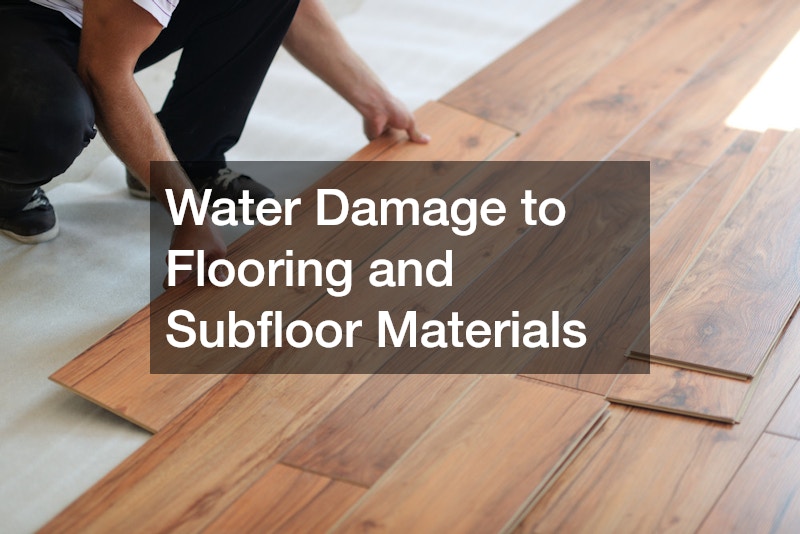
Storm related flooding or roof leaks often ruin flooring long before the damage becomes visible on the surface, and insurers sometimes deny these claims by arguing the materials were already deteriorating. Laminate, hardwood, and carpet all react differently to moisture, and the type of damage pattern can either support or undermine your claim. Getting an assessment from a local flooring store can help establish whether the damage is consistent with sudden water intrusion or gradual wear.
Subfloor damage is particularly easy for insurers to dispute since it is hidden until flooring is removed, so photographic evidence during any repair work is essential. If mold has started to develop, that alone can trigger a separate exclusion, since many policies limit or exclude mold remediation coverage. Acting quickly to dry out affected areas reduces both the health risk and the chance that the insurer will blame you for delayed mitigation.
Plumbing and Drainage System Failures During Storms
Heavy rain can overwhelm municipal drainage systems, causing backups that push water into basements through floor drains, and many policies specifically exclude this type of damage without a sewer backup rider. Homeowners are sometimes denied because the insurer determines the water entered through a plumbing failure rather than storm force wind or hail. Having records from past plumbing services showing your pipes and drain lines were properly maintained can help counter an argument that neglect caused the backup.
If storm water combined with a clogged line to create the flooding, insurers may try to categorize the entire event as a maintenance issue rather than storm damage. Hiring a professional drain cleaner on a regular basis and keeping those service records creates a paper trail showing the system was functioning properly before the storm. Without that evidence, it becomes your word against the adjuster’s assumption.
HVAC and Mechanical System Storm Damage
Outdoor HVAC units and condenser coils are especially vulnerable during storms, whether from flying debris, flooding, hail dents, or power surges caused by lightning strikes, yet these claims are frequently denied on the grounds that the unit was already near the end of its service life. Insurers often point to average lifespans of 10 to 15 years and argue that any unit older than that failed from wear and tear rather than storm impact, even when the timing clearly suggests otherwise.
An inspection from a licensed HVAC company that documents the unit’s condition, age, model number, and maintenance history can either support or challenge that argument depending on what it finds. A qualified technician can distinguish between corrosion that built up over years and damage consistent with a sudden impact or electrical surge, such as bent fins from debris or fried circuit boards from a voltage spike. That distinction, put in writing, carries far more weight with an adjuster than your own account of what happened.
If the unit was working fine before the storm, a clear service history is your best evidence. Keep records of annual tune-ups, filter changes, and any prior repair invoices, since a documented maintenance trail undercuts the “pre-existing wear” argument insurers rely on. Photos of the unit from before the storm, even casual ones from a phone, can also help establish its condition and refute claims that it was already failing.
Power surges during storms can also damage compressors, control boards, and wiring in ways that are not obvious from the outside, so a full diagnostic is worth the cost even if the unit appears to run. A voltage spike can fry a circuit board or weaken a compressor’s windings without tripping a breaker or triggering any error code, which means the system may limp along for weeks or months before failing completely. By then, insurers often argue the damage was caused by normal wear rather than the storm, so getting the unit inspected within days of the event matters far more than most homeowners realize.
Choosing one of the established HVAC repair companies in your area for this evaluation, rather than skipping straight to replacement, gives you a documented repair estimate the insurer cannot easily dismiss. Ask the technician to note specific readings — capacitor values, refrigerant pressure, voltage irregularities — and to state explicitly whether the findings are consistent with storm-related surge damage. A vague one-line invoice saying “unit not working” carries far less weight than a report that ties specific component failures to a specific weather event.
It’s also worth getting a second opinion if the first estimate seems inconsistent with the visible damage, since some adjusters will seize on any discrepancy between two reports to justify a denial. Keep copies of maintenance records showing the system was serviced regularly before the storm, since insurers frequently claim pre-existing deterioration to shift liability away from the weather event. That paperwork becomes critical if you need to escalate a denied claim to appraisal or arbitration.
Working With Contractors and Licensed Professionals on Repairs
Insurers scrutinize who performed your repairs almost as closely as they scrutinize the damage itself, and using unlicensed or unqualified labor can jeopardize your claim entirely. This applies to major systems especially, since work performed without a licensed electrical contractor or similarly qualified professional may not meet code and could void related coverage. The same holds true for HVAC service, since a heating or cooling system repaired or replaced by an uncertified technician after storm damage can raise the same red flags with an adjuster. Always ask for proof of licensing and insurance before allowing any storm repair work to begin.
Beyond protecting your claim, using qualified professionals protects your family’s safety, since storm repairs often involve electrical, structural, or mechanical systems that are dangerous to handle incorrectly. Keep every invoice, warranty document, and before and after photo set organized in one folder for the duration of the claim process. This organized documentation is often what separates a successful appeal from a claim that stays denied.
Understanding why storm damage claims get denied puts you in a much stronger position, whether you are filing for the first time or appealing a decision you believe was unfair. Focus on documentation, timely reporting, and qualified professional assessments, since these three factors resolve the majority of disputes in the homeowner’s favor. If your claim has already been denied, request a written explanation, gather independent estimates, and consider escalating to your state’s insurance department if the denial still seems unjustified. Taking these deliberate next steps gives you the best possible chance of getting the coverage you are entitled to.
